The reports they’ll quote at you, read before they do.
12 short, plain-English walk-throughs of the landmark reports and studies behind forensic testimony, each grounded in the source document itself — with the questions you’ll face about it built in.
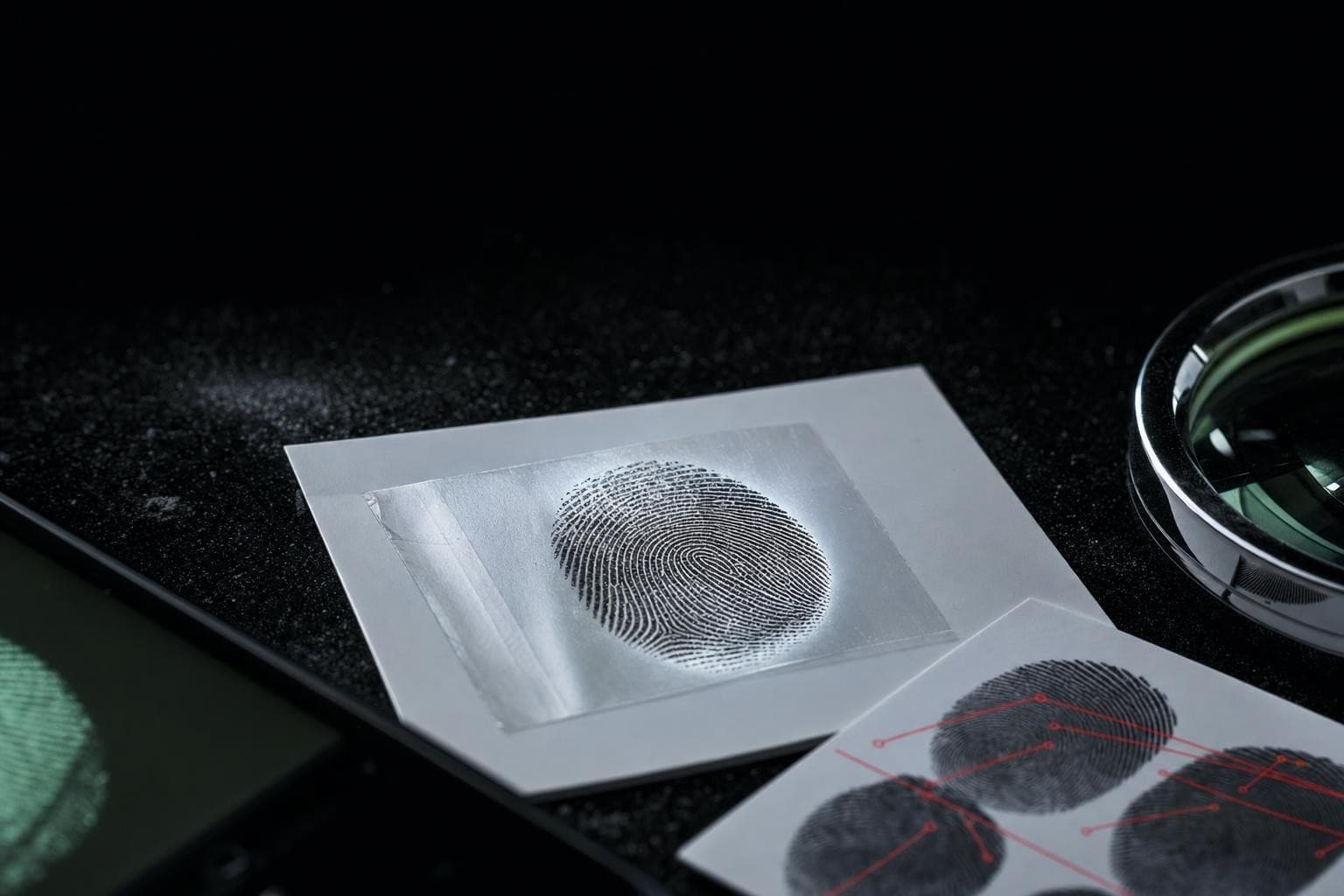
Latent Fingerprint Examination: The Discipline That Argues With Itself
The founding identification discipline, held to its own modern research: no objective threshold for a match, ACE-V as description not validation, the black-box error rates, the inconclusive-counting war, examiners who disagree with themselves, contextual bias and the Mayfield reversal, the individualization fallacy, and how to word a conclusion honestly.
Start reading
Firearm & Toolmark Identification: What the Marks Can Support
The AFTE comparison discipline under scrutiny: the uniqueness premise, the black-box error rates and the inconclusive-counting problem, non-blind verification, objective methods, toolmarks on bone, and condemned conclusion language.
Start reading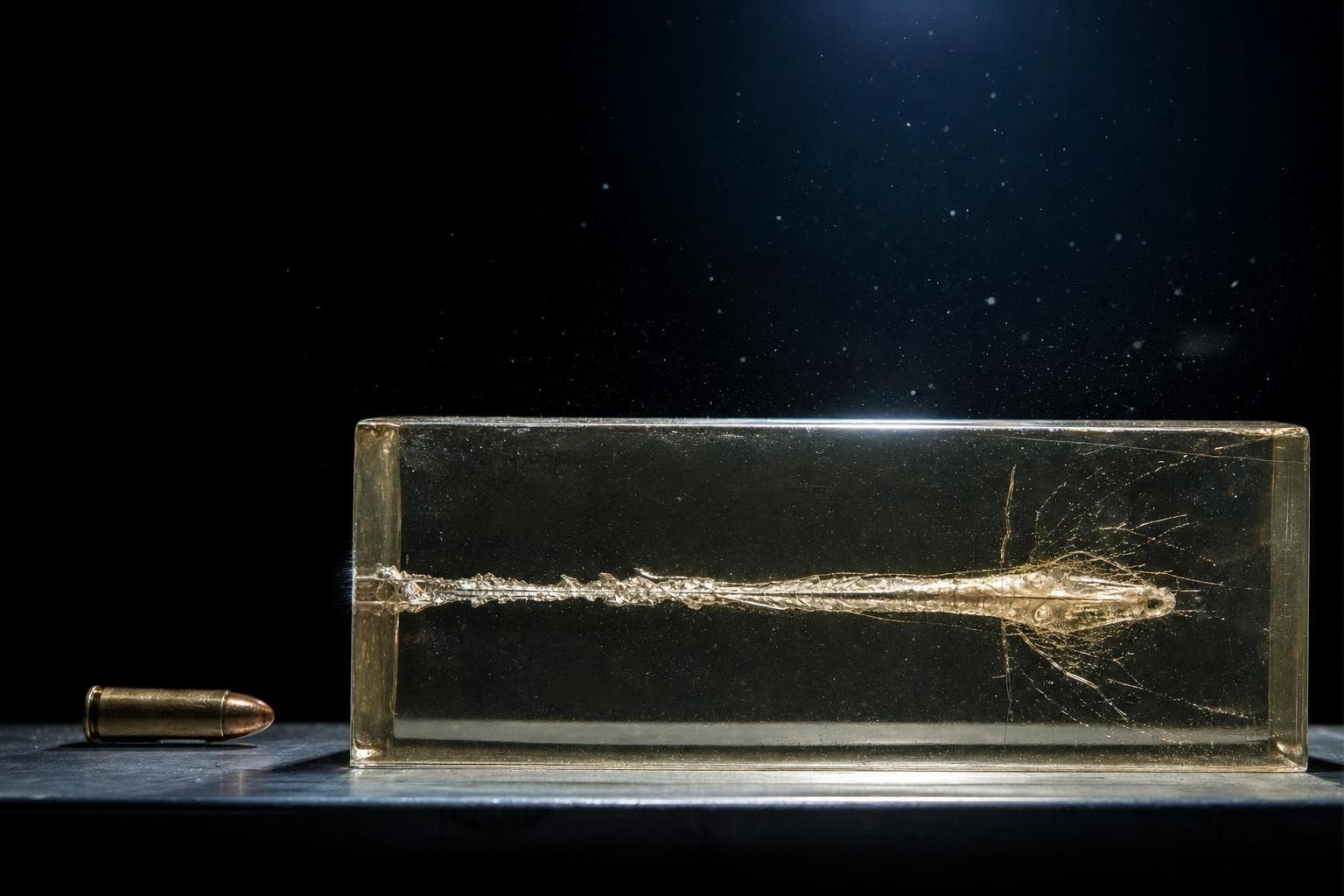
Ballistics & Gunshot Residue: What the Physics and the Particle Can Support
The physics-and-transfer wing of firearms work: the back-inference limit from a wound, ballistic gelatin as a tissue simulant, characteristic-versus-consistent GSR particles, secondary transfer and lead-free ammunition, and activity-level versus source-level conclusions.
Start reading
DNA Evidence: What the Match Can and Cannot Support
The gold-standard discipline under scrutiny: what a match answers (sub-source, not activity), mixtures and contributor counting, the probabilistic-genotyping black box, interpretation variability, the error rate that dwarfs the match probability, innocent transfer, contamination, and documented failures.
Start reading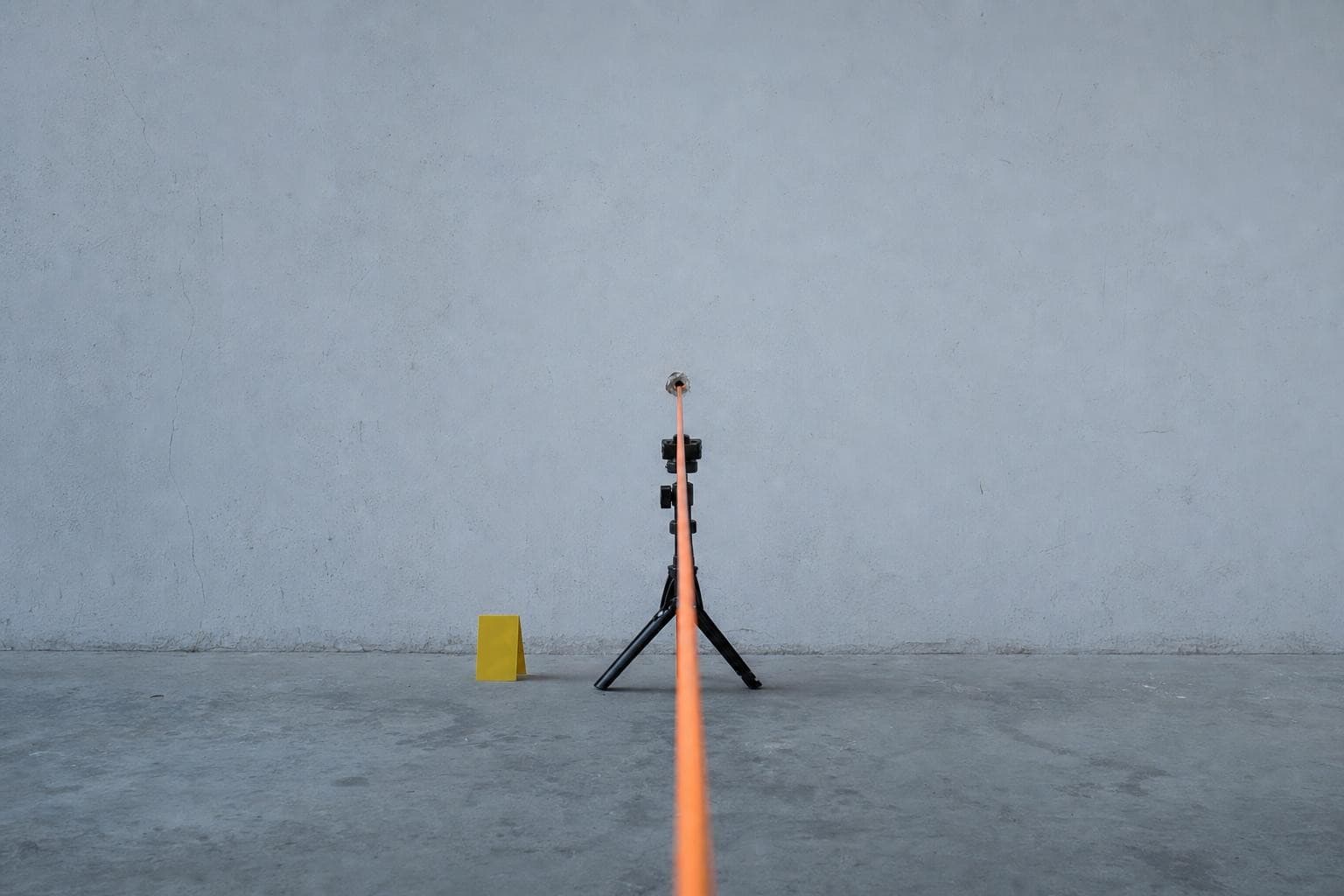
Crime Scene Reconstruction: From Traces to Events
The scientific support and limits of reconstruction, from trajectory physics and uncertainty to contextual bias and wrongful-conviction evidence.
Start reading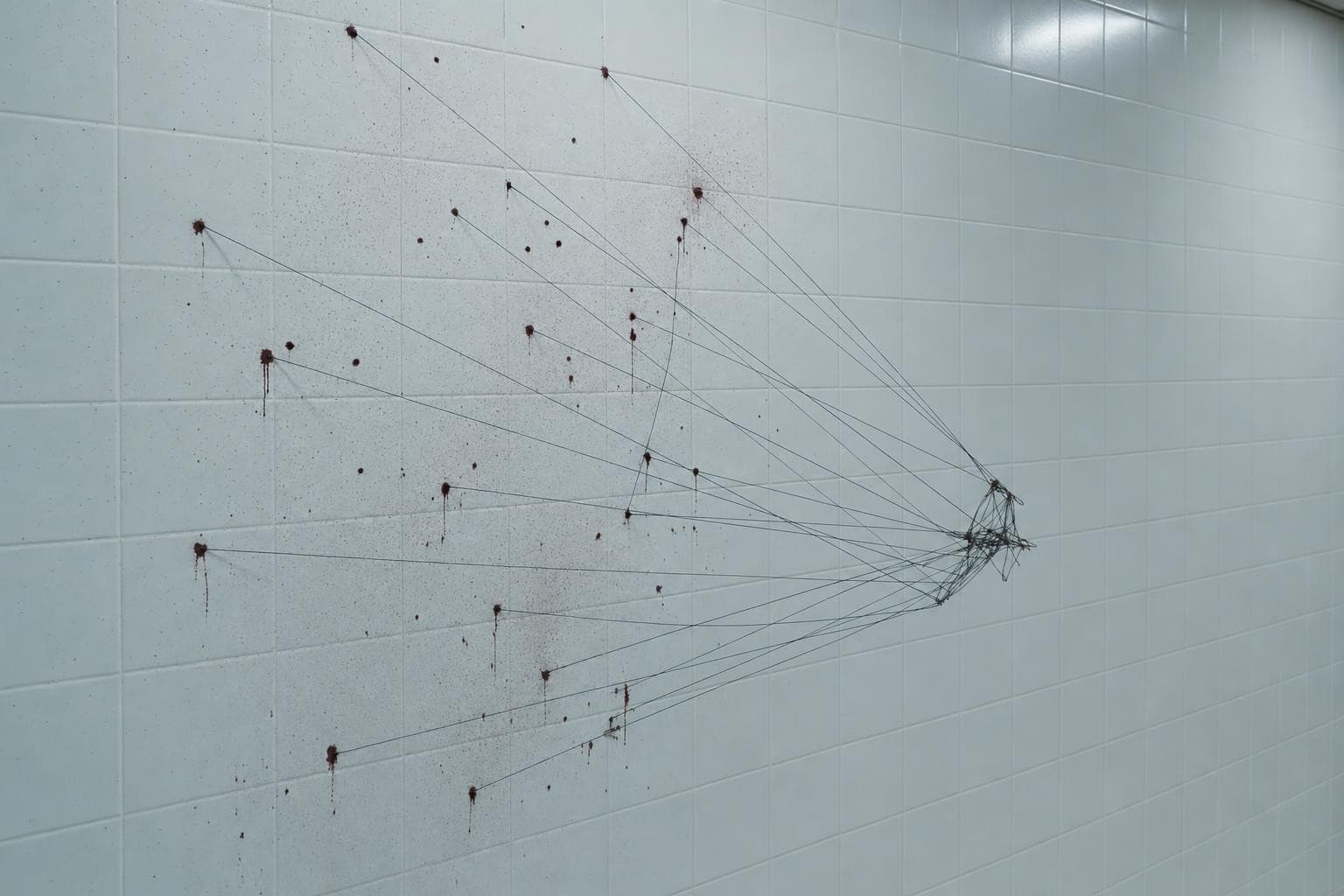
Bloodstain Pattern Analysis: What Can the Pattern Support?
The black-box studies, surface effects, fluid dynamics, contextual bias and documented failures that define the limits of bloodstain conclusions.
Start reading
Digital Forensics: What the Output Does Not Tell You
The Horizon presumption, tool testing, hashes, examiner disagreement, attribution, timestamps and defensible evaluative conclusions.
Start reading
Facial Comparison: What Can the Images Support?
Why unfamiliar-face comparison is difficult, what separates tested examiners from routine reviewers, and how to explain a method with no casework error rate.
Start reading
Voice on Trial: Forensic Speaker Comparison
The voiceprint myth, likelihood ratios, Cllr on case-relevant recordings, population choice, bias and synthetic speech.
Start reading
Gait, Body and Clothing Comparison
What gait, build, clothing and height comparisons can support, how camera conditions affect them, and why their casework error rates remain unknown.
Start reading
Image Authentication: What Can the File Establish?
Container structure, PRNU camera fingerprints, deepfake detectors and C2PA credentials, with defensible language for reporting what an examination found.
Start reading
Bite-Mark Comparison: Two Premises Under Test
The pattern-comparison discipline that failed validation most decisively: the uniqueness premise, the distortion of skin, examiners who cannot agree an injury is even a bite, and the wrongful convictions that put innocent people on death row.
Start reading